

Homes & multifamily
Residential
roof protection.
A temporary covering protects an open roof while you plan repairs, coordinate inspections or wait for the right tile.
Before & after
Follow the
roofline.
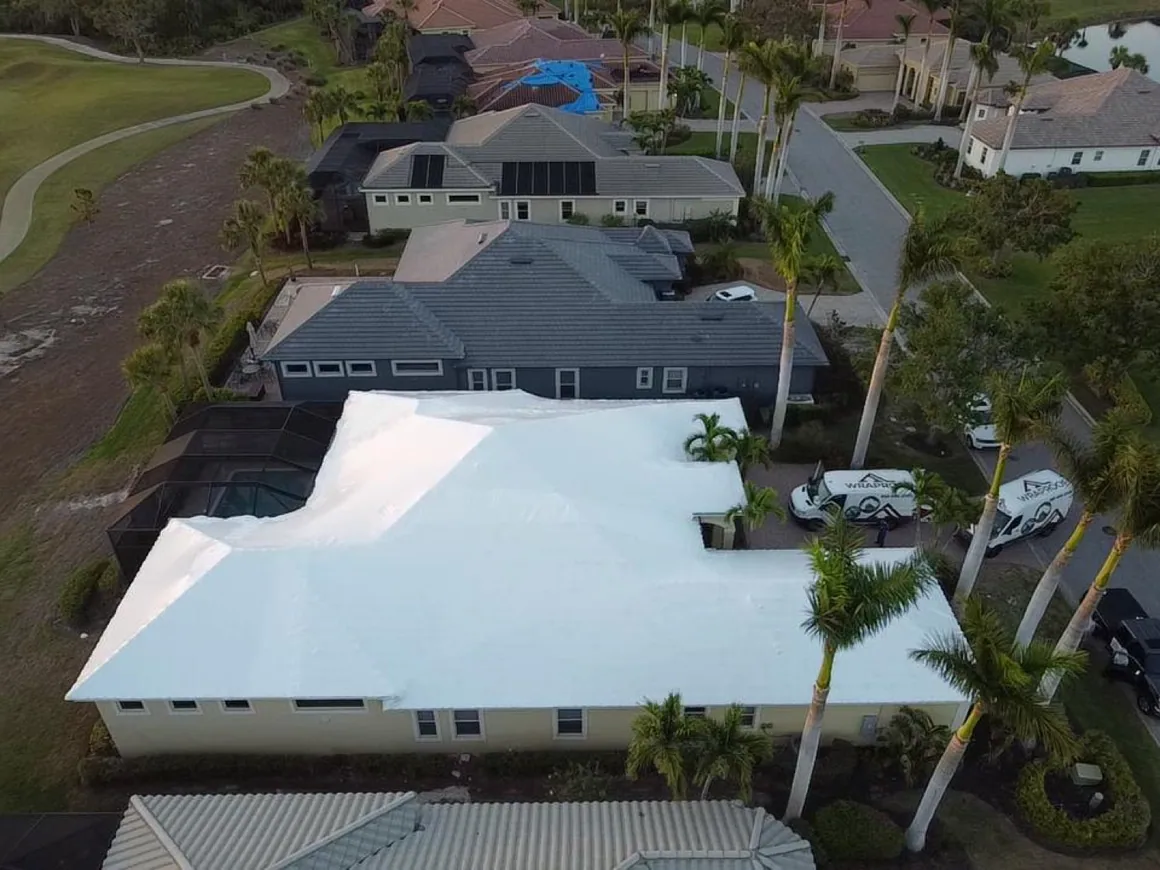
Compare the same tile roof before and after installation. Follow the main ridge and front wing as the white covering comes into view.
Compare more homes
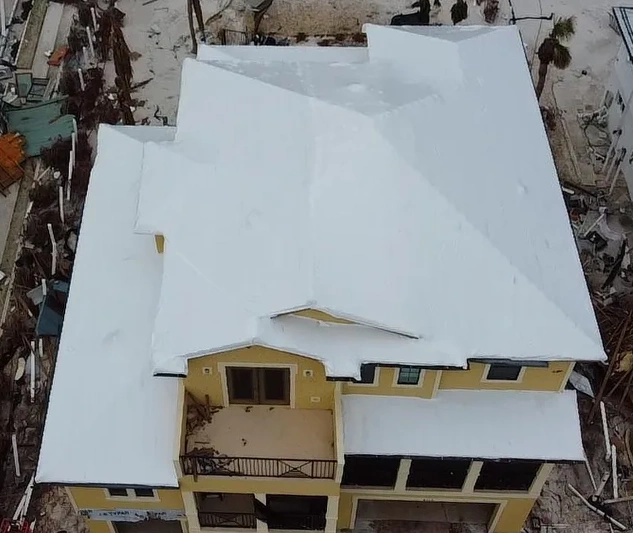
Drag right to reveal the cover
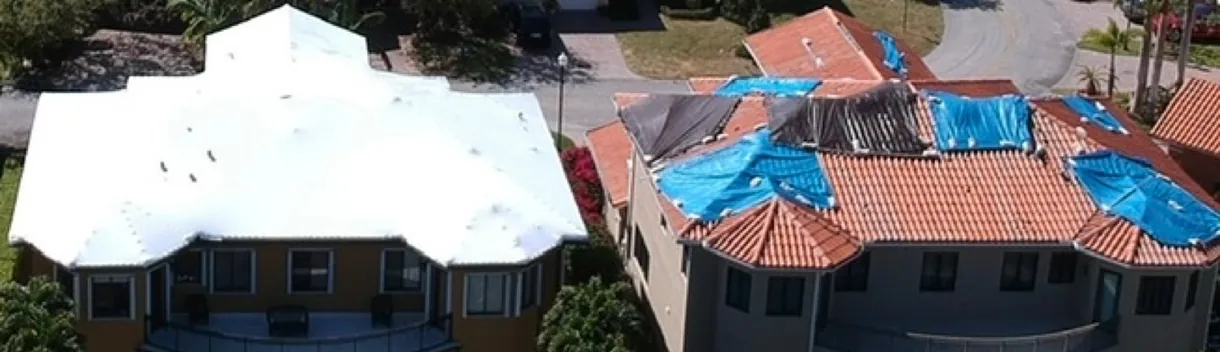
Existing tarps
When a repair
takes longer.
Separate sheets can leave several overlaps and edges to monitor. A fitted membrane can span connected roof planes, including valleys, transitions and the perimeter. Ask which areas the proposed scope covers and how the installation will be checked while you wait for repairs.
How it works
From the first call
to a covered roof.
If loose tarps or exposed decking leave part of the house open, the immediate questions are where water can enter, what can support a cover and how long the permanent repair will take.
Share the damage
Send the location, roof type, available photographs and your contractor’s expected repair date. A property manager can identify affected buildings or units.
Plan the covering
The team reviews the exposed area, access, drainage and attachment surfaces. The proposed scope should identify the covered areas and how crews can return for inspections.
Coordinate repairs
Keep the installation photographs and written scope. Coordinate any opening, resealing and final removal with the residential team and permanent roofer.

What we protect
A scope for
your roof.
- Shingle & shake
- After wind, hail, fire or a fallen tree, identify the affected roof planes and any damage to the sheathing below.
- Clay, tile & slate
- Matching profiles can take time to source. Share the material order and expected delivery so temporary protection can be planned around the reroof.
- Custom & coastal homes
- Dormers, chimneys, balconies and steep pitches need individual attention at transitions and edges.
- Condos, townhomes & HOAs
- Coordinate unit access, shared roof sections and a single point of contact for residents, the board and repair crews.
Scroll to Cover 2.0 · Technology demonstration
See a roof cover take shape.
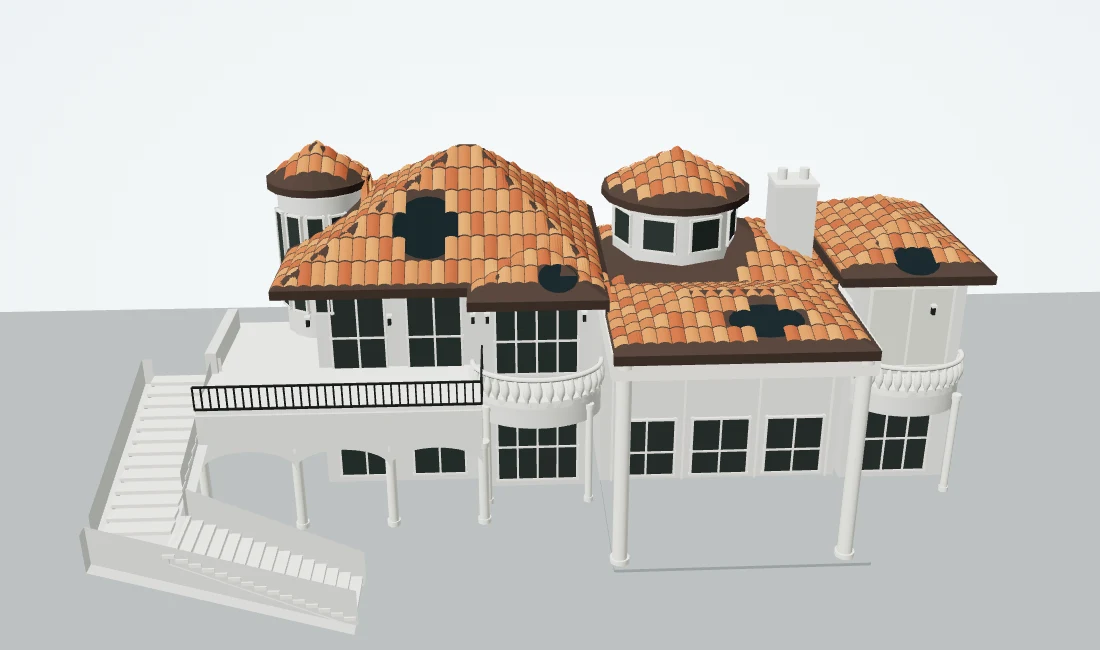
Move from damaged tile to a fitted covering. Scroll through the installation, or use the slider, house rotation and roof layers to inspect each stage.
Residential field archive
Before and after.
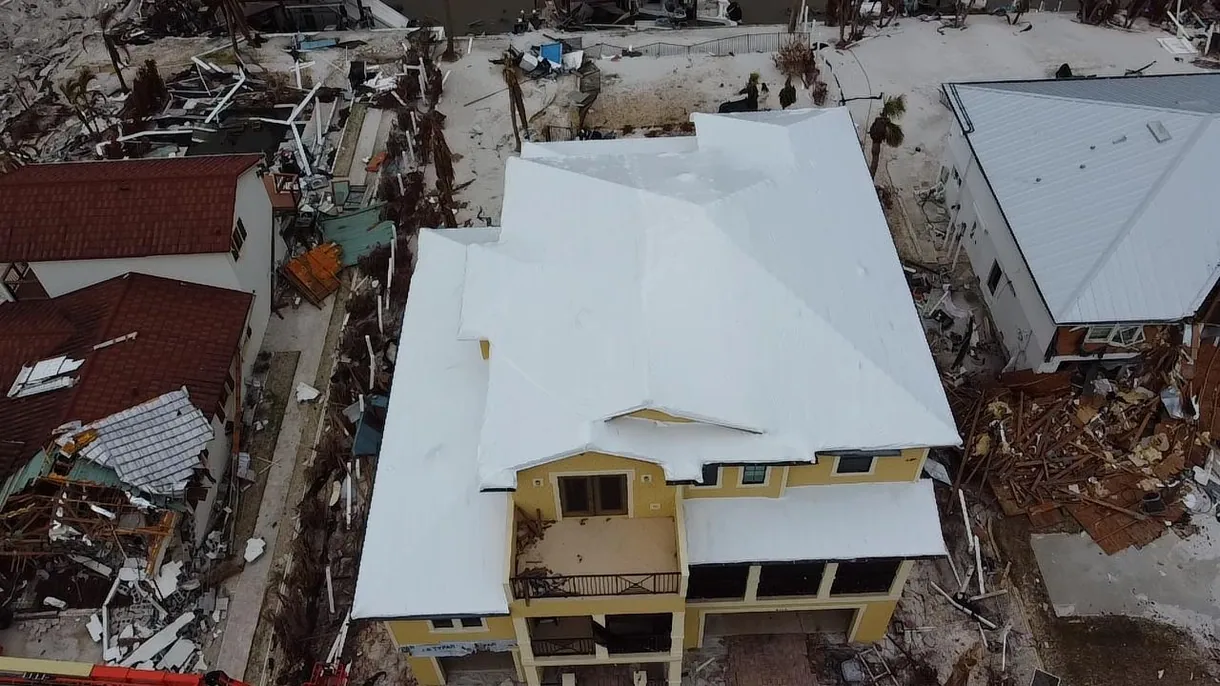
Choose a property and move the handle to compare the existing roof with its temporary covering. Some pairs show different camera angles.

Project photographs
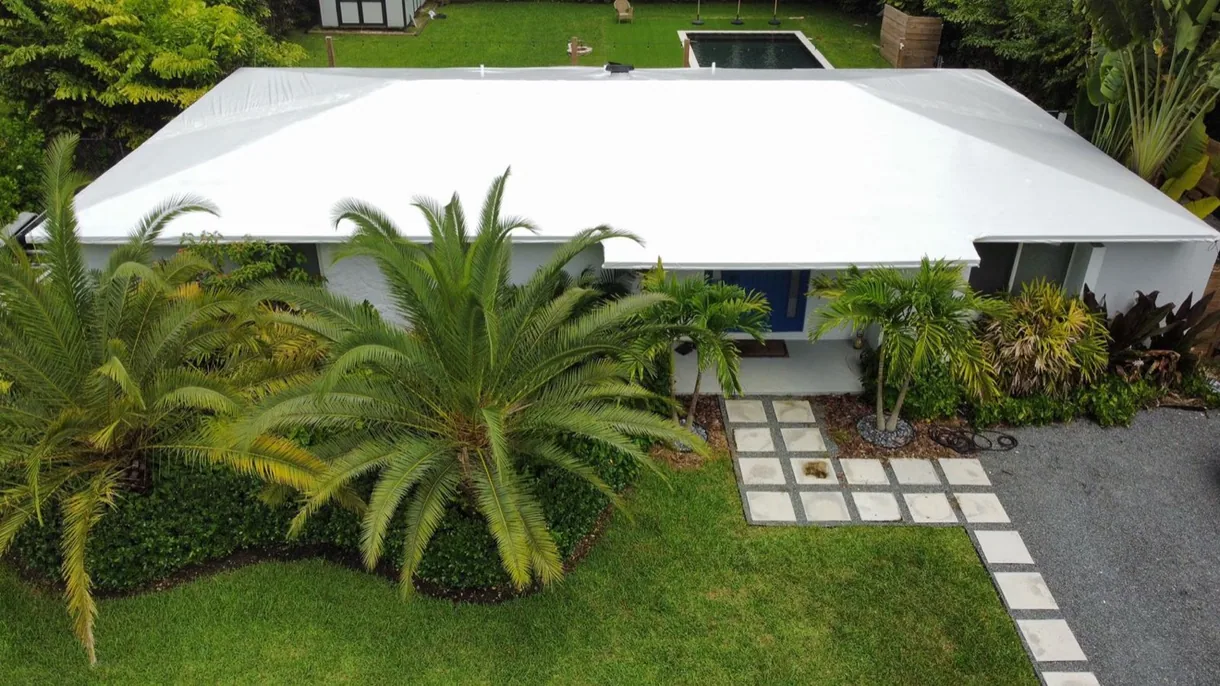
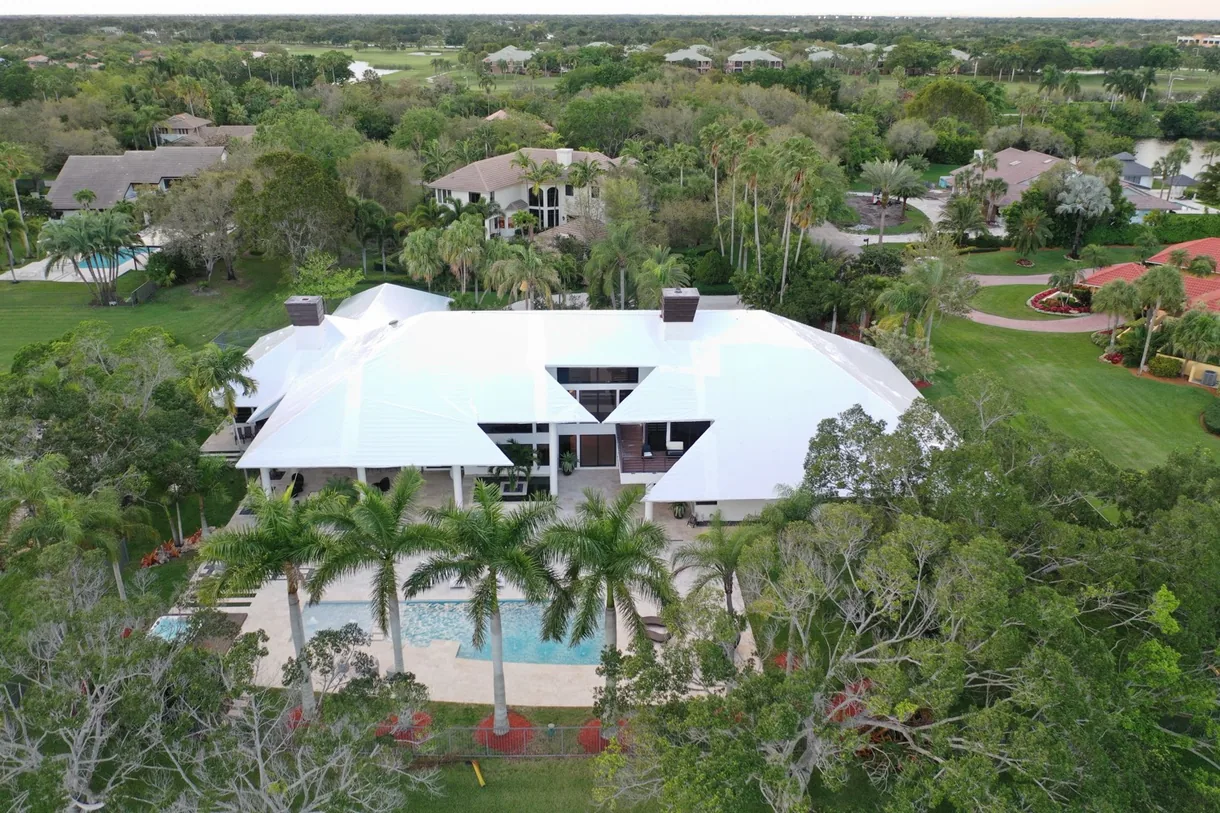
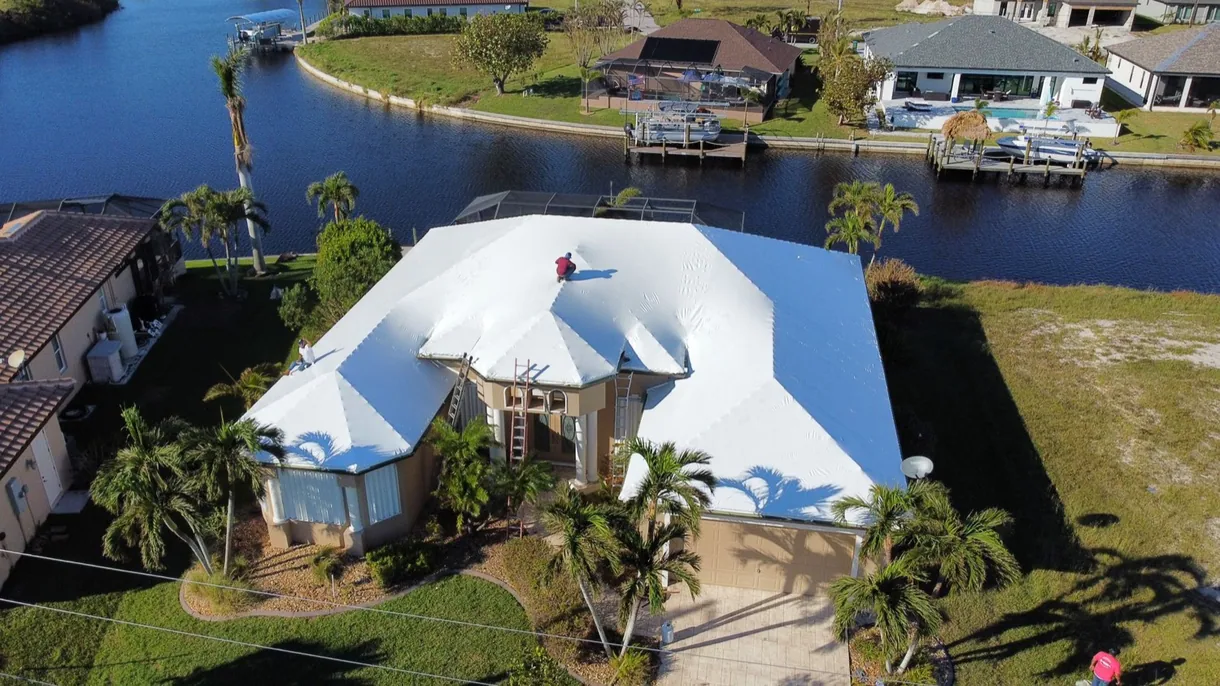
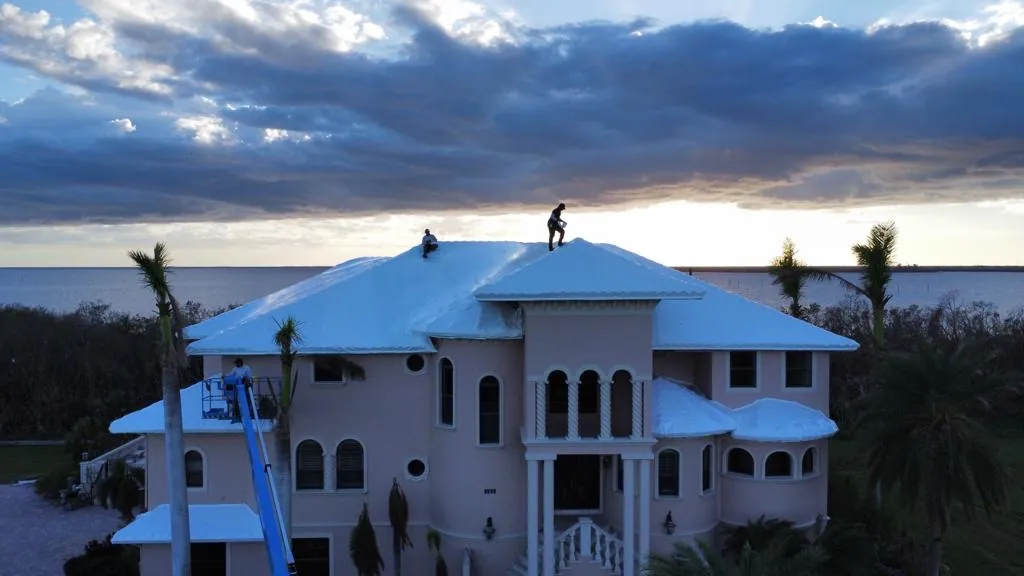
Homes in the field.
Open a photograph to inspect a roof shape, material transition or surrounding site.






For your claim
Keep a record
of the work.
Photograph the damage from a safe location and keep the proposed scope, installation record and invoices together. Discuss inspection access and any resealing with the team before your adjuster or roofer visits.
Your insurer reviews the work under the terms of your policy. Ask your adjuster what information they need for your claim.
Homeowner questions
Before you
book a visit.
How does a fitted membrane differ from a blue tarp?
A sheet tarp covers an immediate opening. A fitted membrane is scoped to the roof planes, perimeter, penetrations and drainage. The team can review existing tarps, the length of the repair and the condition of the roof before proposing an approach.
How soon can the team inspect my roof?
Call the residential team with the city, damage date, access limitations and any existing photos. The team confirms availability, safe access and the next inspection or installation window for that property.
How is the covering attached?
Attachment depends on the roof material, remaining structure and condition at the edge. Ask the team to walk you through the proposed attachment points, penetrations, drainage and removal details for your home.
Can I wait for matching tile, slate or a custom roof?
Share your contractor’s expected material lead time. The team can review the roof and plan temporary protection, any necessary inspections and the handoff to the permanent roofer.
What documentation can I share with my adjuster?
Keep photographs, the written scope, inspection notes, invoices and correspondence together so your insurer can review them against your policy. Ask the project team to coordinate before anyone opens or removes the cover.
How long can the cover stay in place?
The material, attachment, exposure and inspection plan determine the service period. Get the duration, maintenance responsibilities and any warranty terms in writing for the proposed installation.
Project inquiries
Tell us about
your roof.
For immediate assistance, call the team for your project.
786-254-1577info@titarps.com